

Good afternoon, everyone. My name is Cheryl Ding, and I am honored to be here as a panelist for this thought-provoking discussion.
I am a psychological counselor. For years I have worked with the LGBTQIA+ community both in China and NL, and had the privilege of witnessing the diverse experiences and challenges faced by transgender individuals in both cultural contexts. I’m glad The Performance gave us a chance to talk about it. So feel free to ask me any questions related to mental health or any other topics you’re interested in!
I really like that the film is not melodramatic, but quiet and reserved, which resonates with the Chinese mass personality – indirect, collectivist, tolerant, always trying to be accepted by others. Intertwined with Christian elements, the mother is like that song she sings, hoping that love remains unchanged while her daughter and their life were going through major changes. It is so hard for the mother to accept her daughter as “unorthodox”, but at the same time, Christian doctrine is about love, compassion, and acceptance. (Jesus spent too much time among those considered lowly individuals at the time—the poor, prostitutes, and the sick—and got condemned) As if she’s asking herself, what is a good Christian?
In the film, many elements mirrored experiences I’ve encountered in my conselling practice
- Absent fathers
- Conditional love from parents and strict expectations
- Emphasis on economic status and academic achievement over psychological well-being: (“My son got into the gymnasium (the highest level of Dutch high-school education), so I bought a house (to celebrate),” “If you play games, you have to be the best in class,”
- Tolerance and normalization of manipulation, emotional neglect, and even abuse: “You do this for Mom. We zijn familie, toch? (We are family, right?)”
- Parents can take a long journey to come to realize that children have their own life, and children love you in their own way.
In real life, communication between generations can be even more difficult. Our culture can be both a solid part of our self-identity and a persistent source of pain.
Transgender people in China and NL experience different struggles
In the Netherlands, although people can enjoy free health care, including top/bottom surgery, eggs/sperm freezing, they still have struggles. People can struggle with coming out of the closet, using new names (like in the film, people might call your dead name), or with dealing with catcalling. One less known challenge is actually whether to receive gender-affirming care. We might imagine them to be all very sure about what to do with their bodies, social image, and self-identity. It’s not true. They might need a long time, a lot of effort, and a large investment into therapy for this journey.
In China, transgender individuals often face severe stigma, lack of human rights, and limited access to gender-affirming healthcare. Films often lack or stigmatize transgender roles. I have witnessed companies refusing to hire transgender employees who came out after passing interviews, or firing trans people. However, they did feel the need to cover for themselves, and avoided stating that it is about gender. This demonstrates a subtle position of the society, which is inclusive to such an extent that it feels wrong to fire people because of their gender, but people still do it. I am not going to talk about my visitors, but a friend of mine, who is a trans woman, her family destroyed her medical records and stopped financial support to prevent her from going into transitioning, and she considered suicide.
Breakthroughs
Despite these challenges, there has been gradual progress. Increased visibility and online support networks have helped raise awareness and provide resources for transgender people. For example, although films remained less satisfactory, social media start to interview transgender people with a neutral, humanistic perspective; the comments below also show considerable support and understanding.
I recently wrote an article about transgender themes in a Chinese literature classic, A Dream of the Red Chamber (it’s not actually new, as some scholars have similar views, but I added my own interpretation) and received heated and mixed comments. Before the views reach 50k, one social media platform banned my article.
What’s inspiring is that the transgender woman I mentioned earlier gave up her suicidal plan after talking to me. She has now stagely won her lawsuit against her former employer and received surgery. She is looking forward to studying abroad.


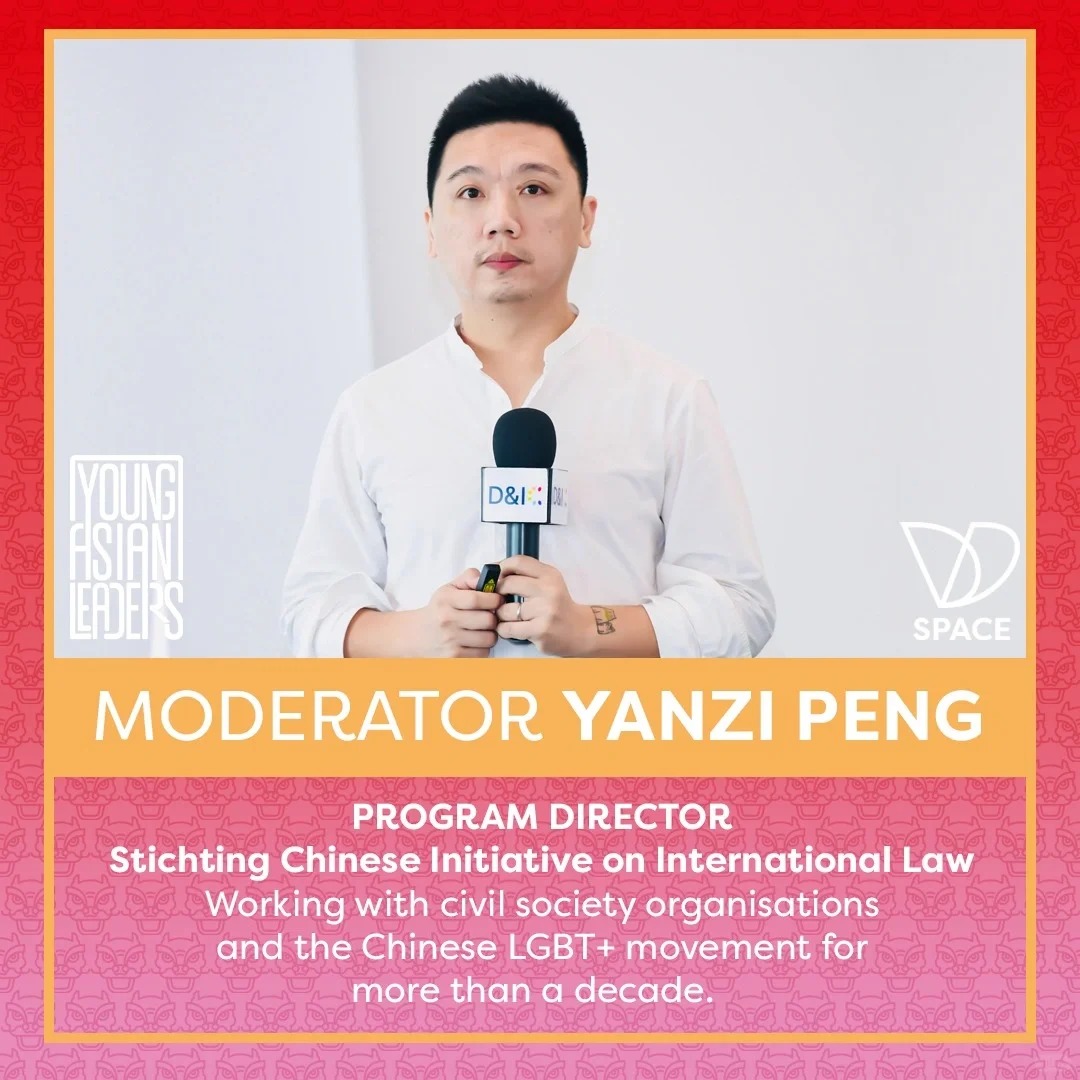
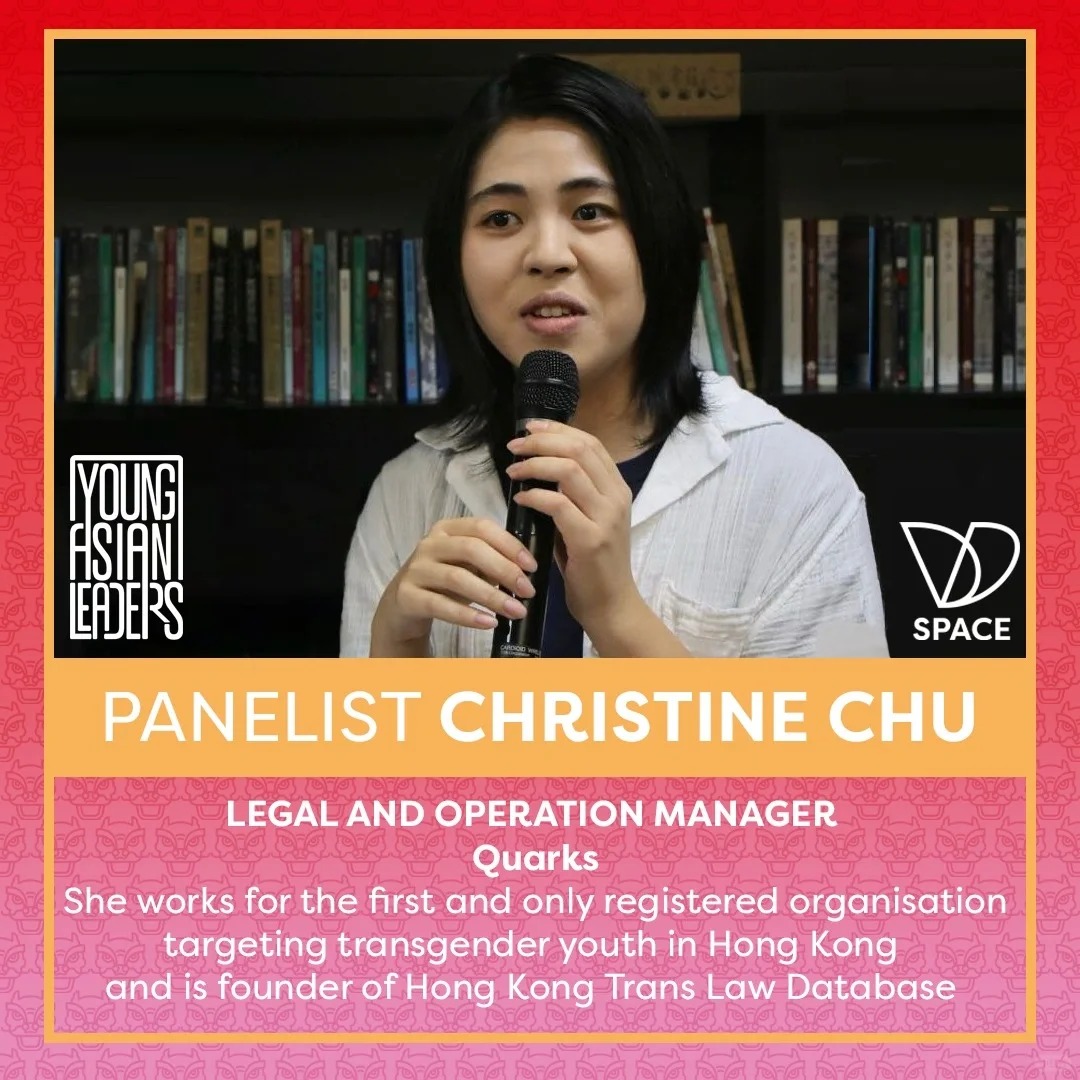
February 11th from 13:00 till 15:00 we are organizing a Screening of the short film ‘ Het Optreden ‘(2023) by Claire Zhou with panel discussion. The film is Dutch-spoken and English-subbed. The Panel will be facilitated in English. Lin (41) is preparing for her solo performance for the Chinese New Year celebration at her church. She wants to impress the community, but her mentor feels that her performance doesn’t truly ‘touch’ yet. He advises Lin to truly open up, but that is challenging . When rumors circulate about her son, who hasn’t been attending church for a while, Lin faces a difficult choice. Does she continue to hide or does she reveal her true self? The screening is followed by a panel discussion facilitated by OUT & ABROAD ‘ s Yanzi Peng as moderator and our panelists Christine Chu , Cheryl Ding and Claire Zhou.

 See Ding, seeding